
Blog
The Movement Development Stages of Omega – Susan Reviews on Replica Watches

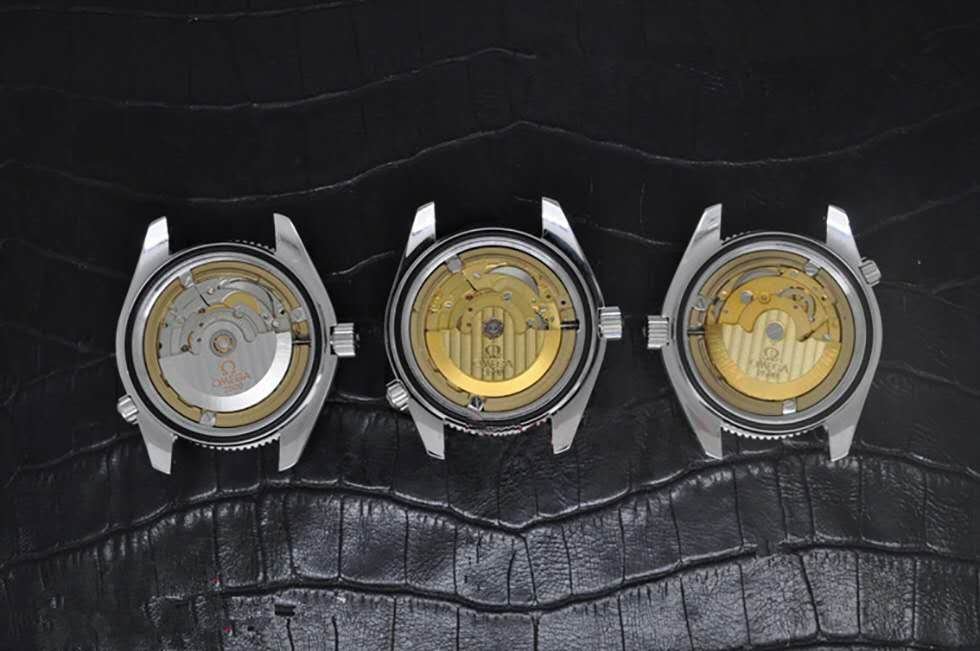
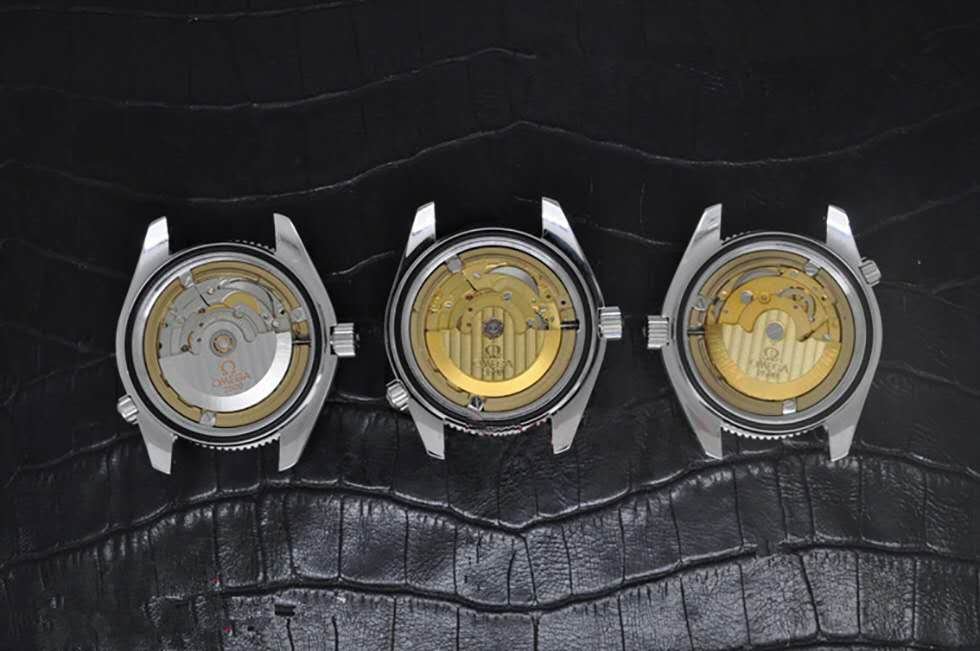
Omega, as one of the most popular Swiss brands, has been extensively replicated by Chinese watch manufacturers. The evolution of movement technology in these replicas has gone through four distinct phases, culminating in VS factory’s remarkably accurate clone of the Omega 8XXX series movement.
Phase One: The Sea-gull Movement Era (Pre-2011)
In the industry’s infancy, manufacturers focused primarily on case replication, using undecorated Sea-gull automatic movements. These early replicas often lacked even basic Omega branding, making them easily identifiable through exhibition casebacks.
Phase Two: Citizen 8215 with Decorative Plates (2012 Onward)
This period saw significant improvements with the introduction of Citizen 8215 base movements covered by decorative plates. While more visually convincing, these movements suffered from functional flaws – stuttering seconds hands, glued-on jewels that frequently detached, and non-functional screws.
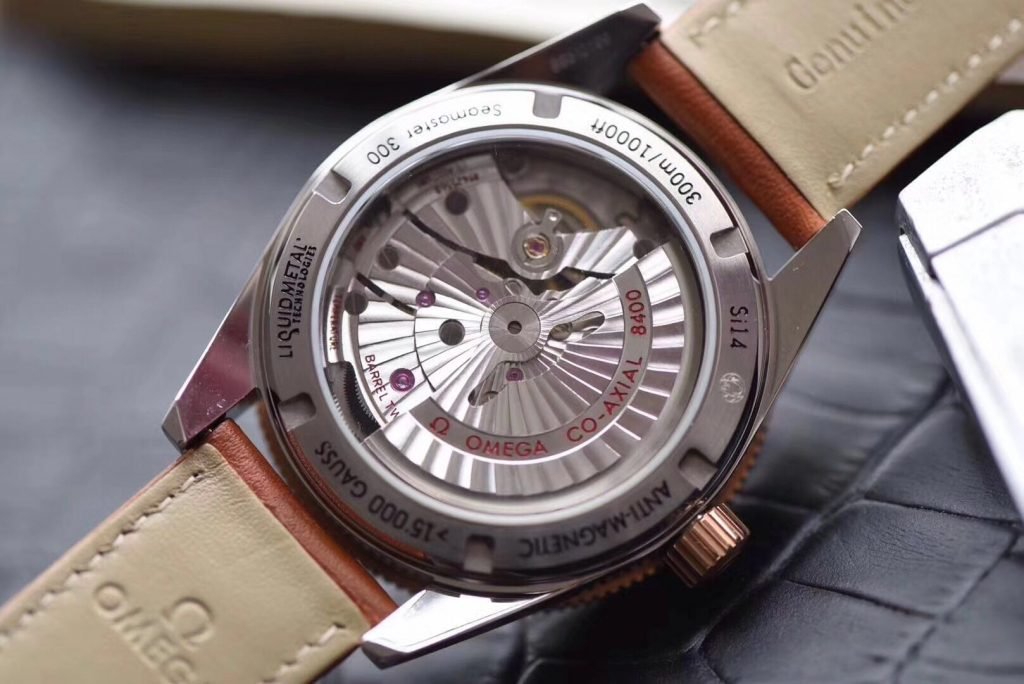
Phase Three: Hangzhou 6770/Asia 2836 Movements (2018)
After six years, manufacturers introduced movements based on Hangzhou 6770 or Asia 2836 calibers. These solved many previous issues but still differed functionally from genuine Omega movements, particularly in their inability to independently adjust the hour hand and their incorrectly sized balance wheels.
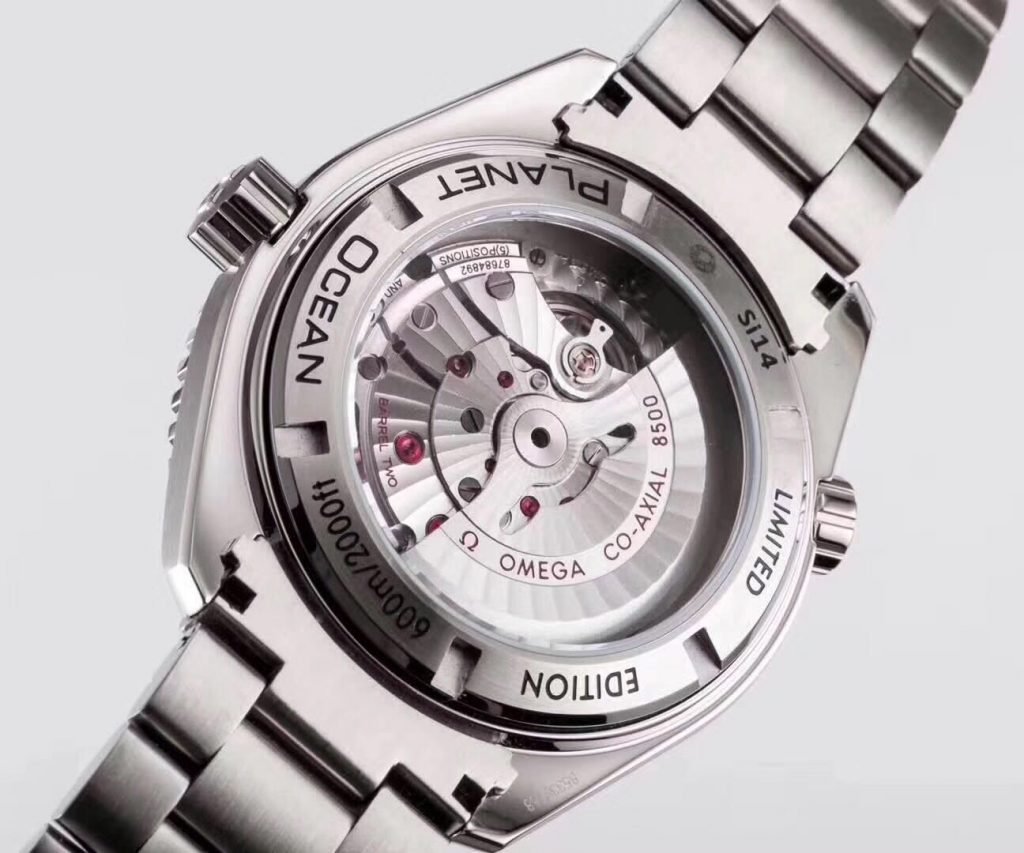
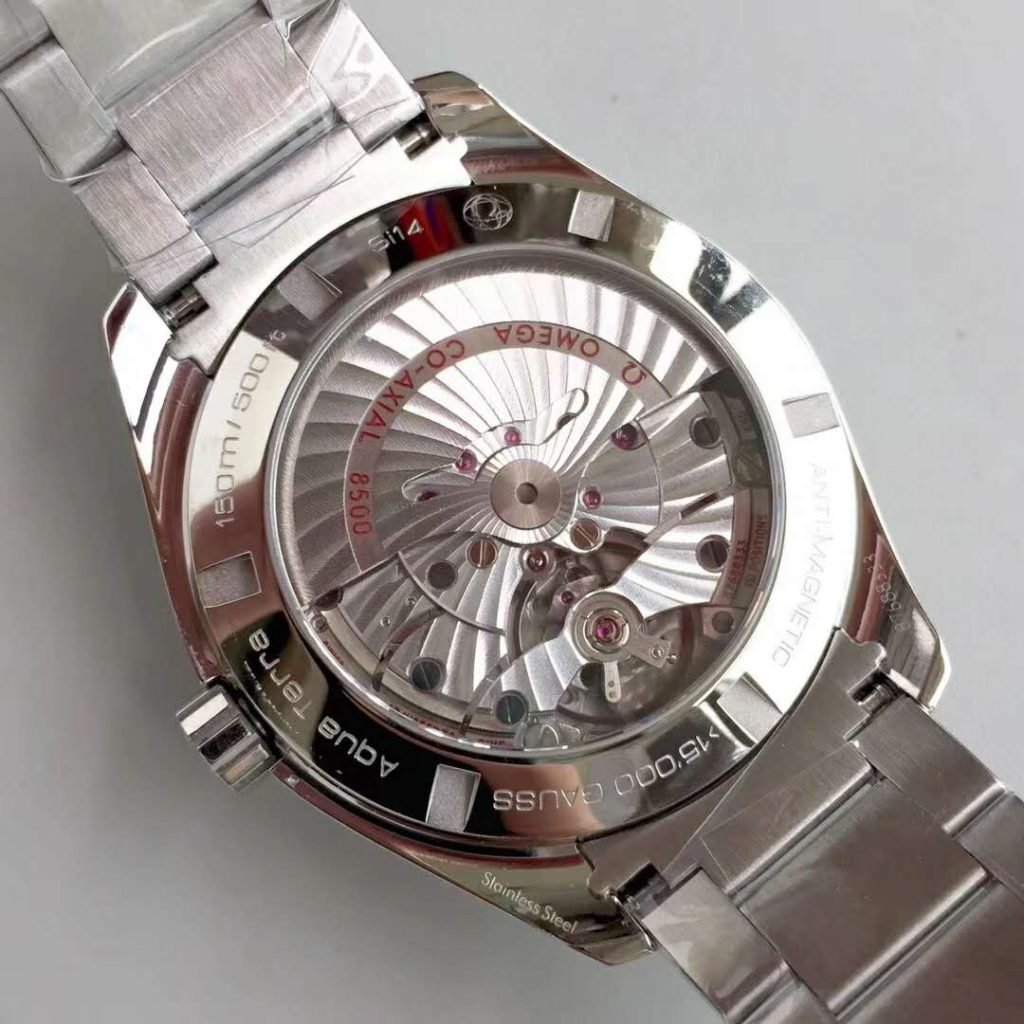
Phase Four: VS Factory’s Breakthrough (Current)
VS factory’s completely original 8500 movement represents the current pinnacle of replication technology. Every component serves a functional purpose, with proper jewel settings and correct balance wheel positioning. This movement perfectly replicates all functions of genuine Omega calibers.
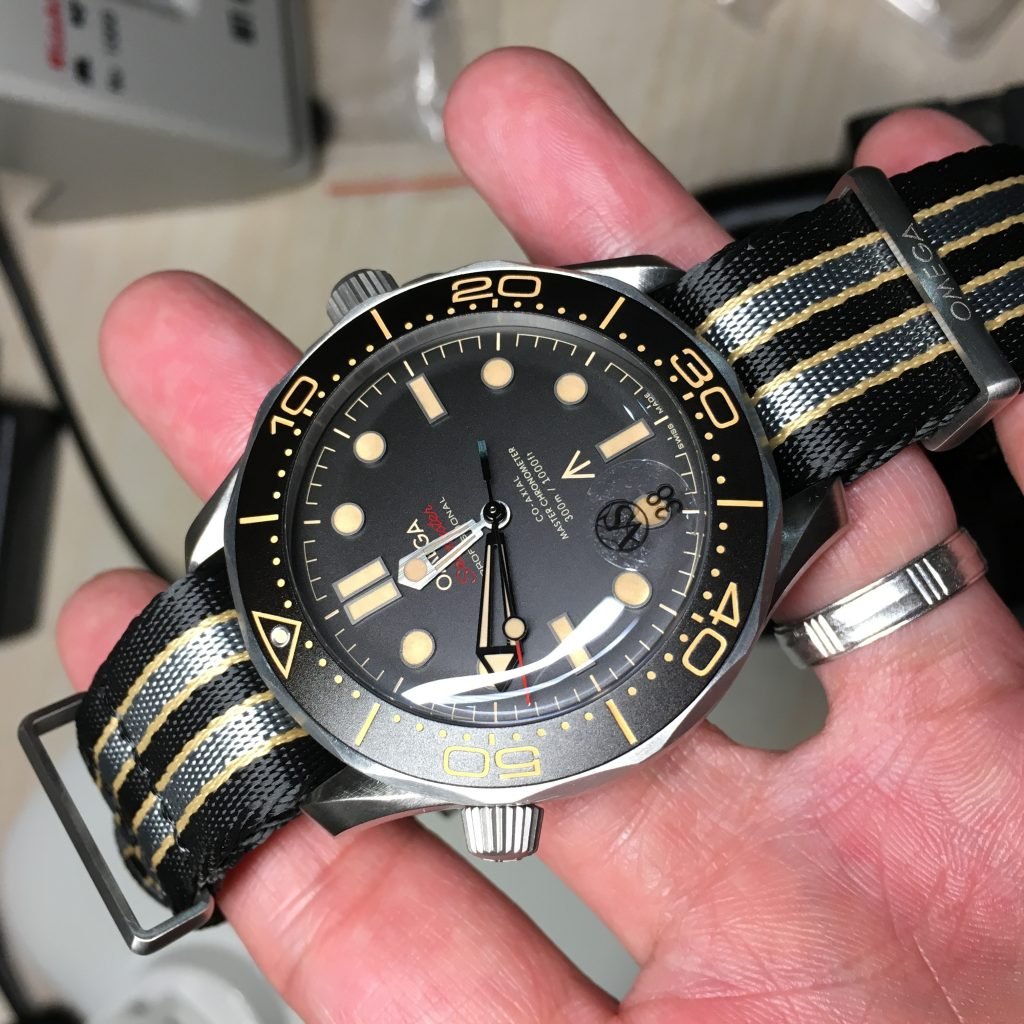
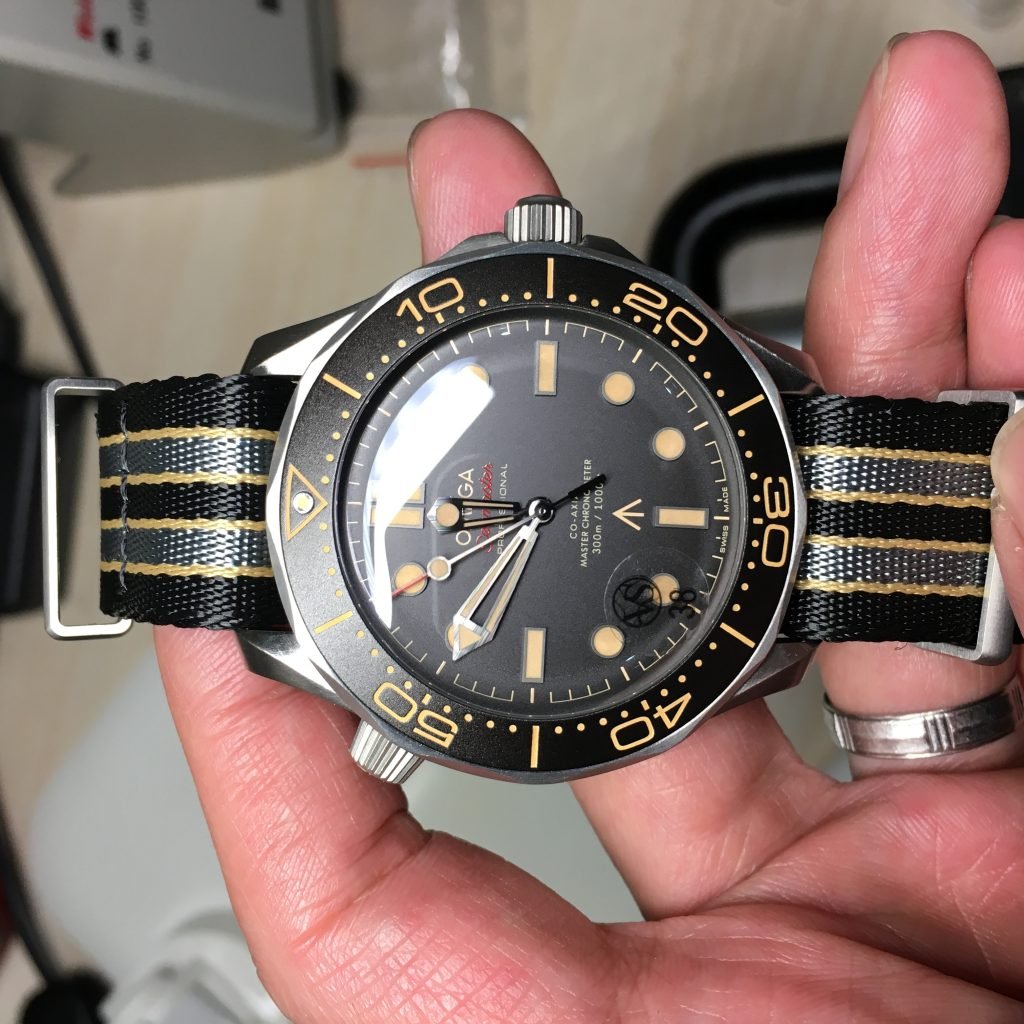
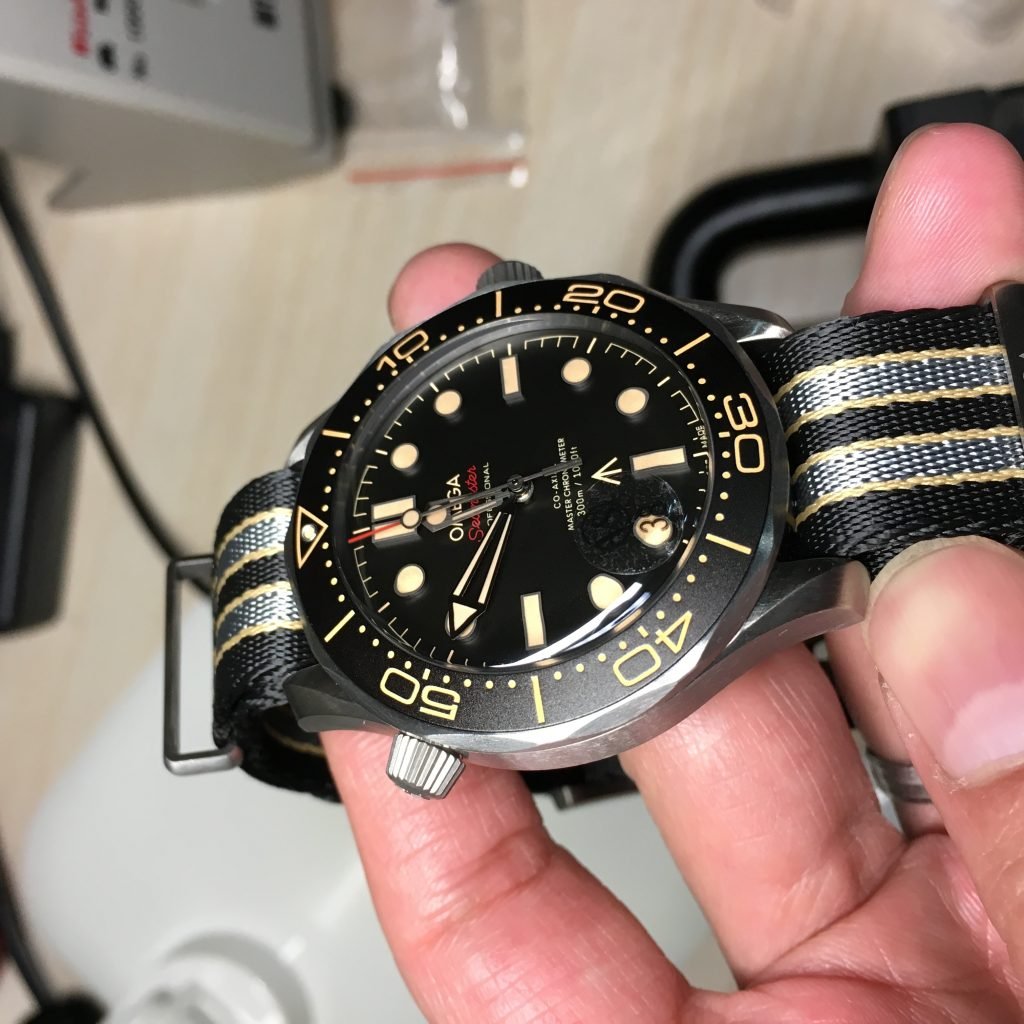
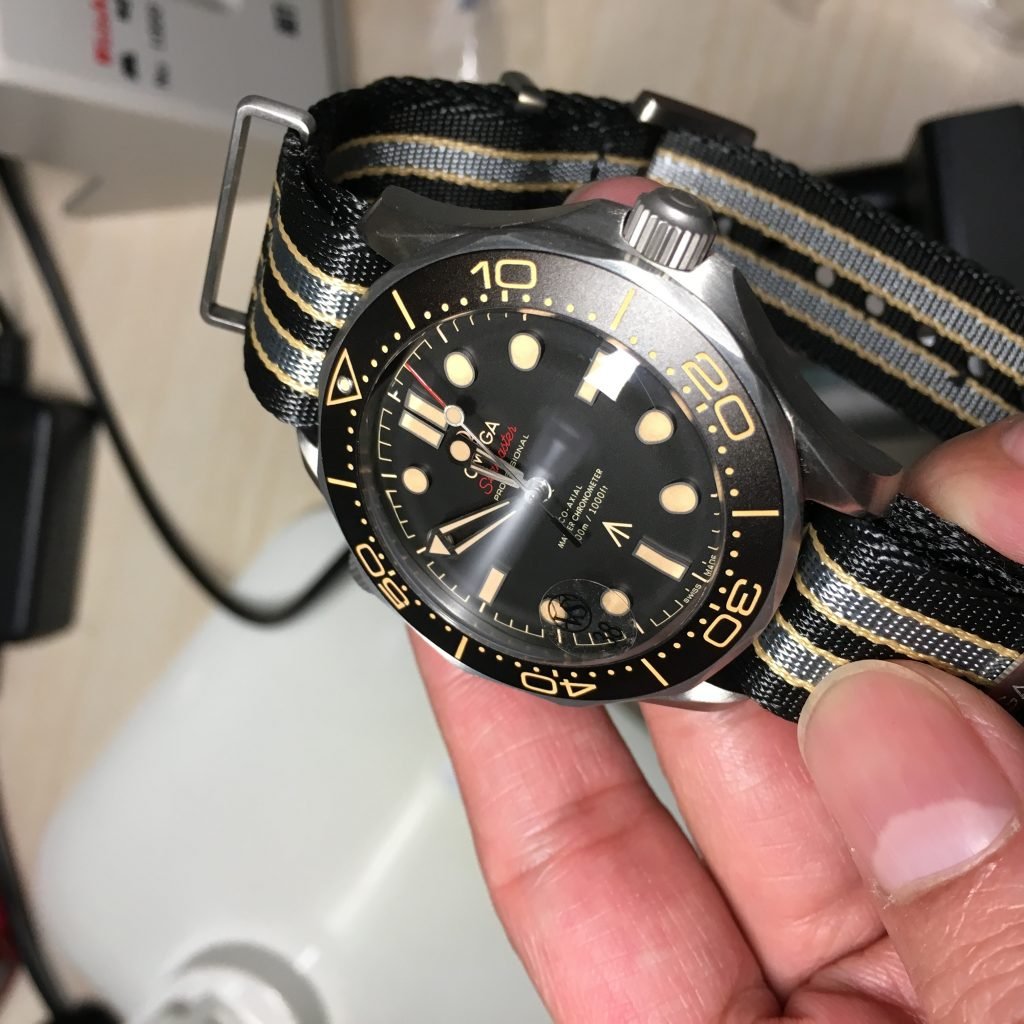
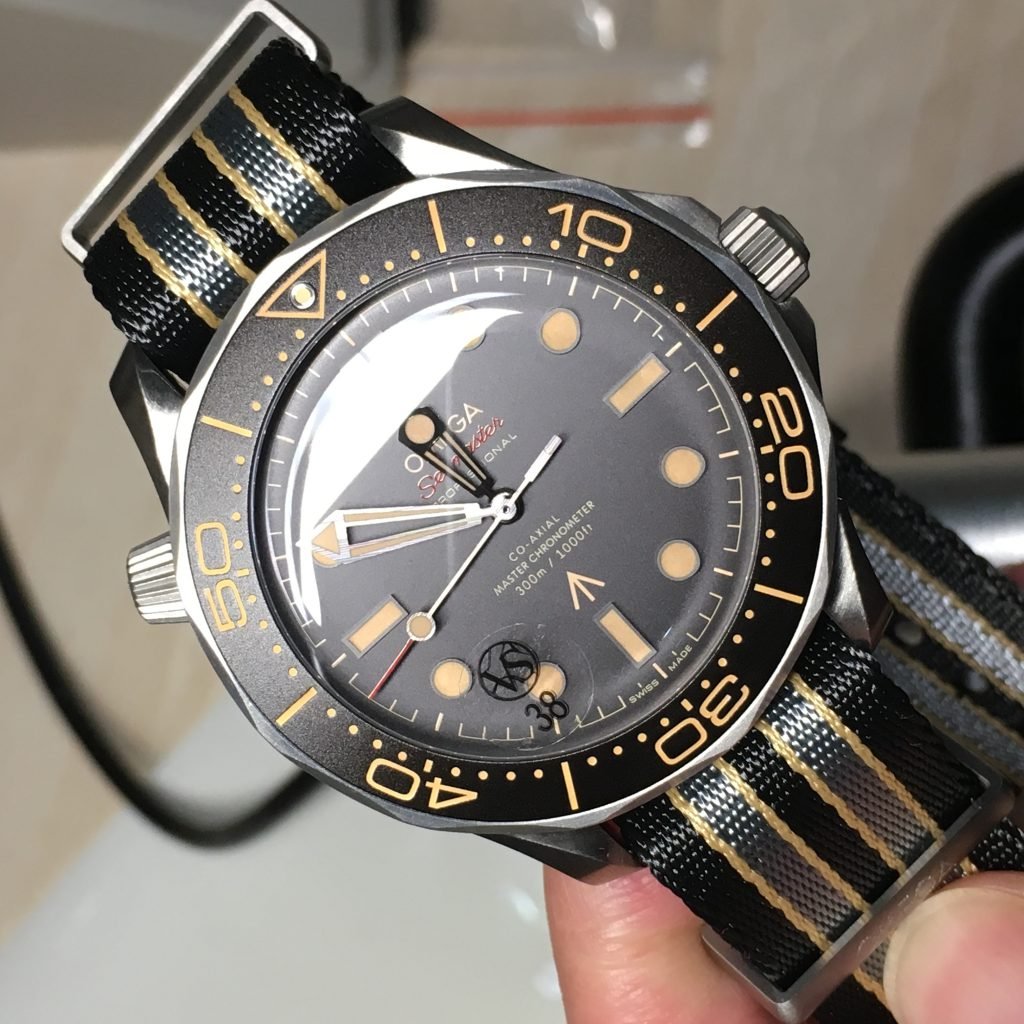
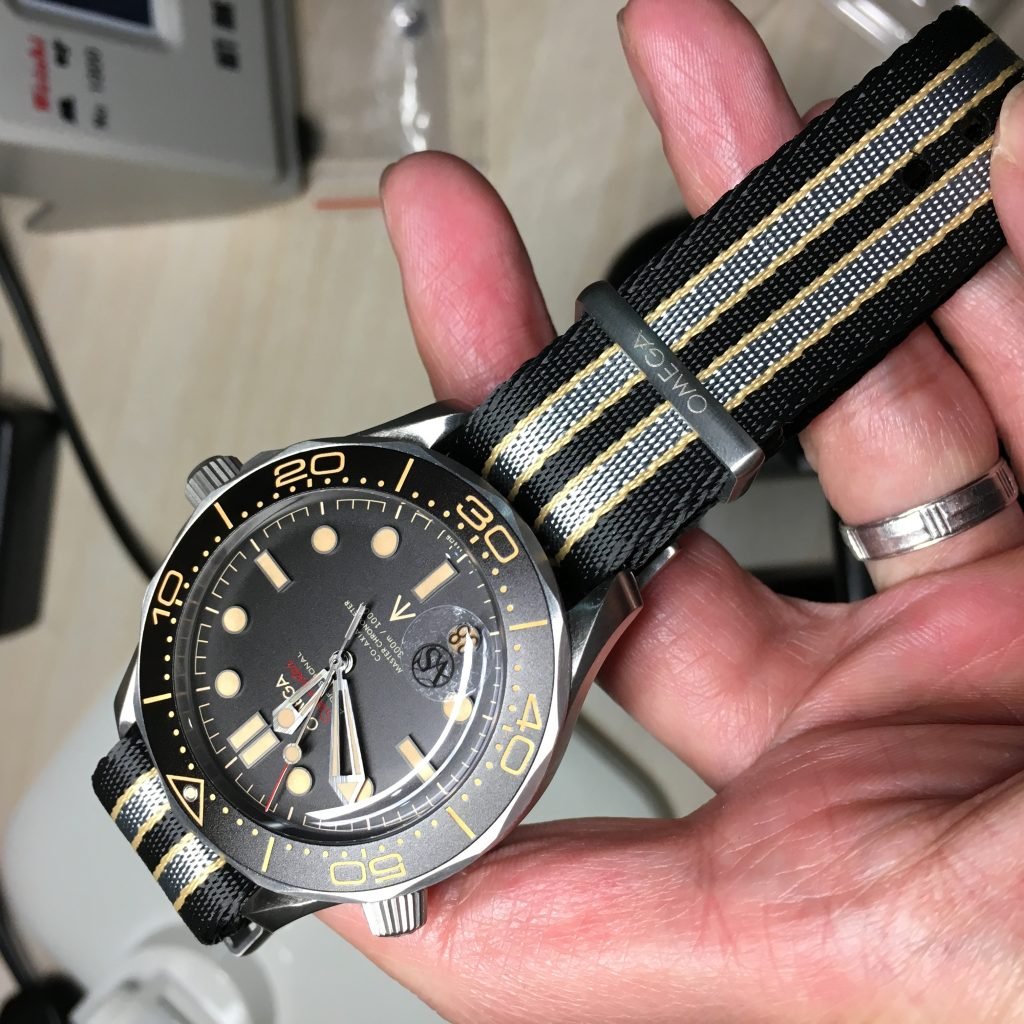
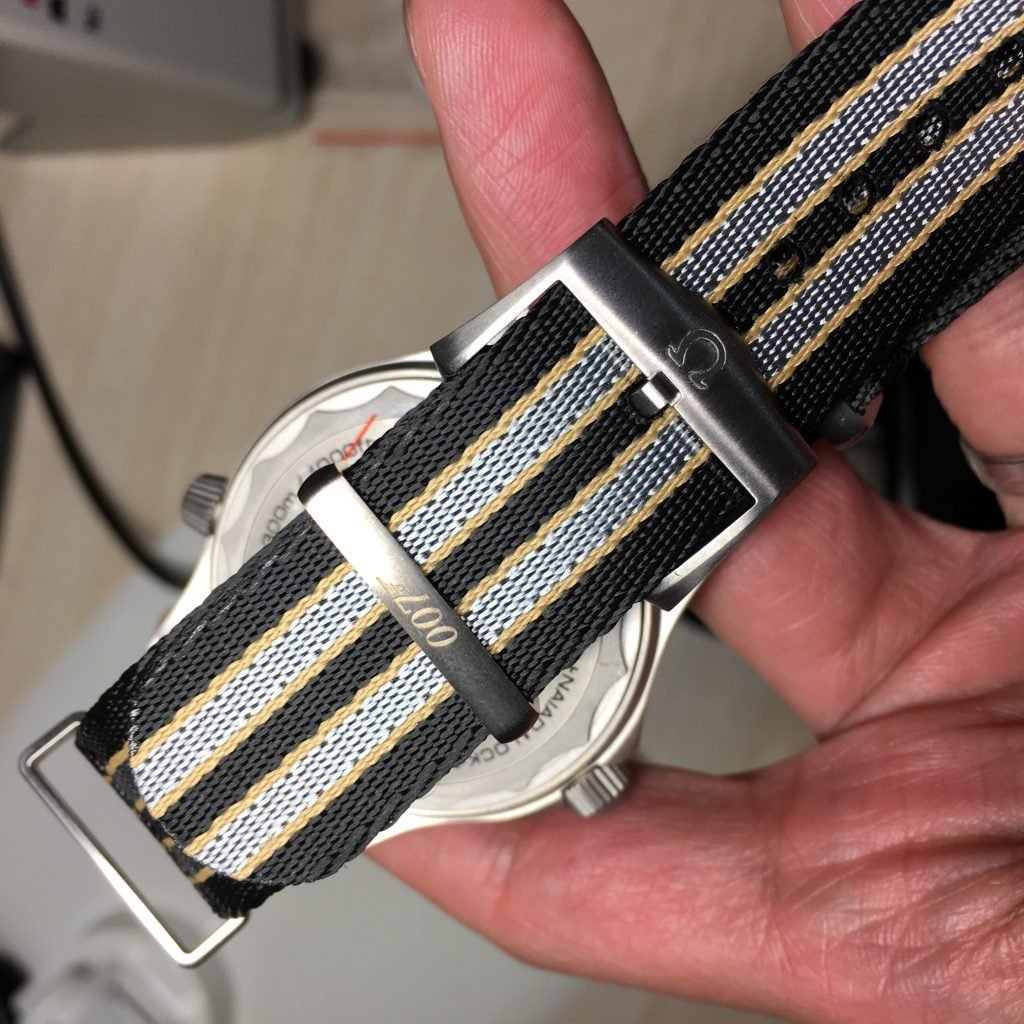
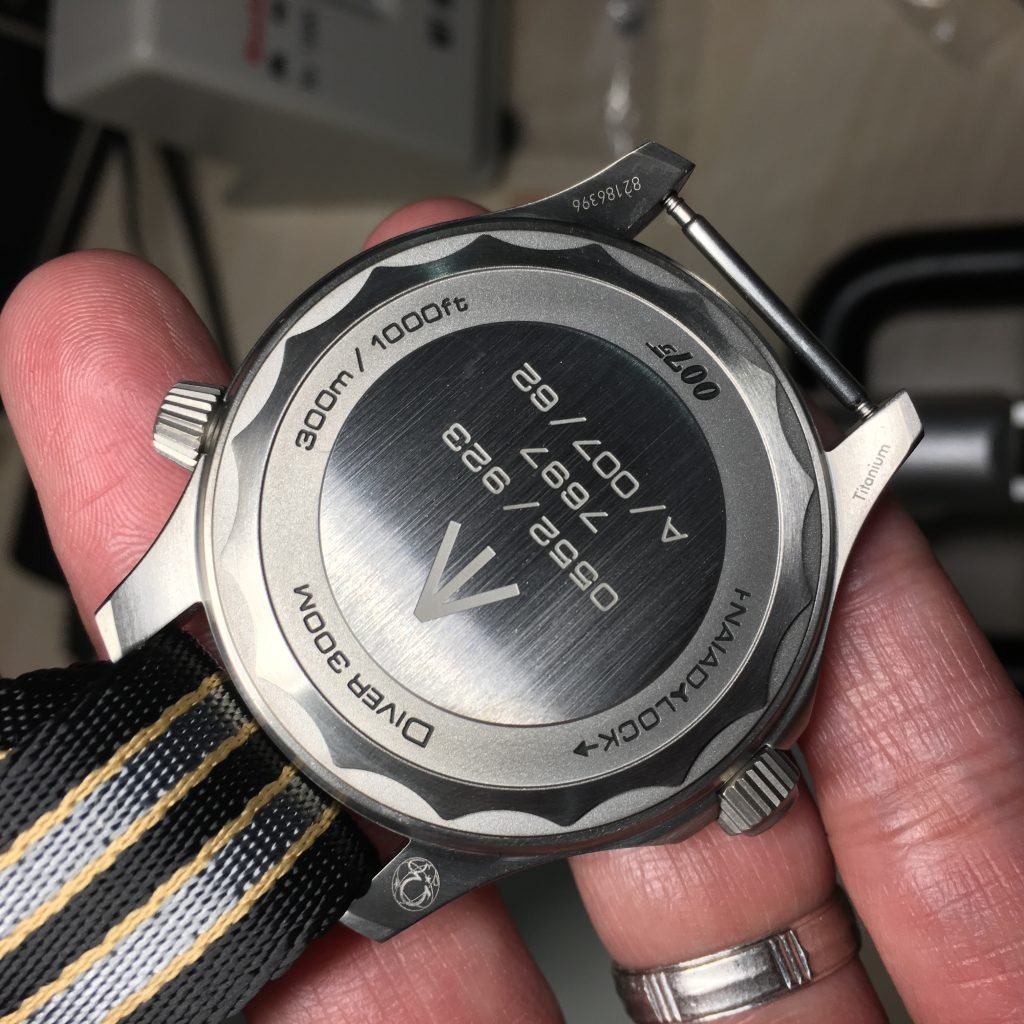
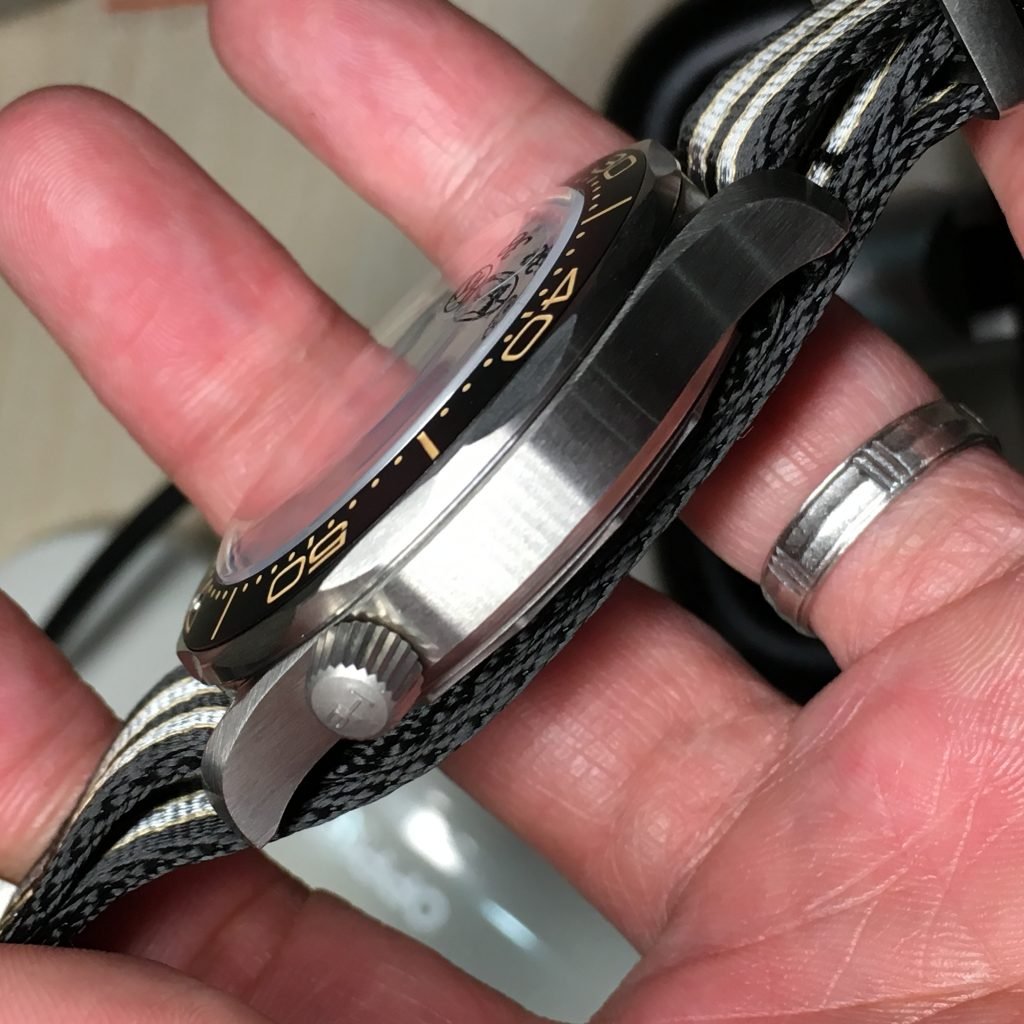
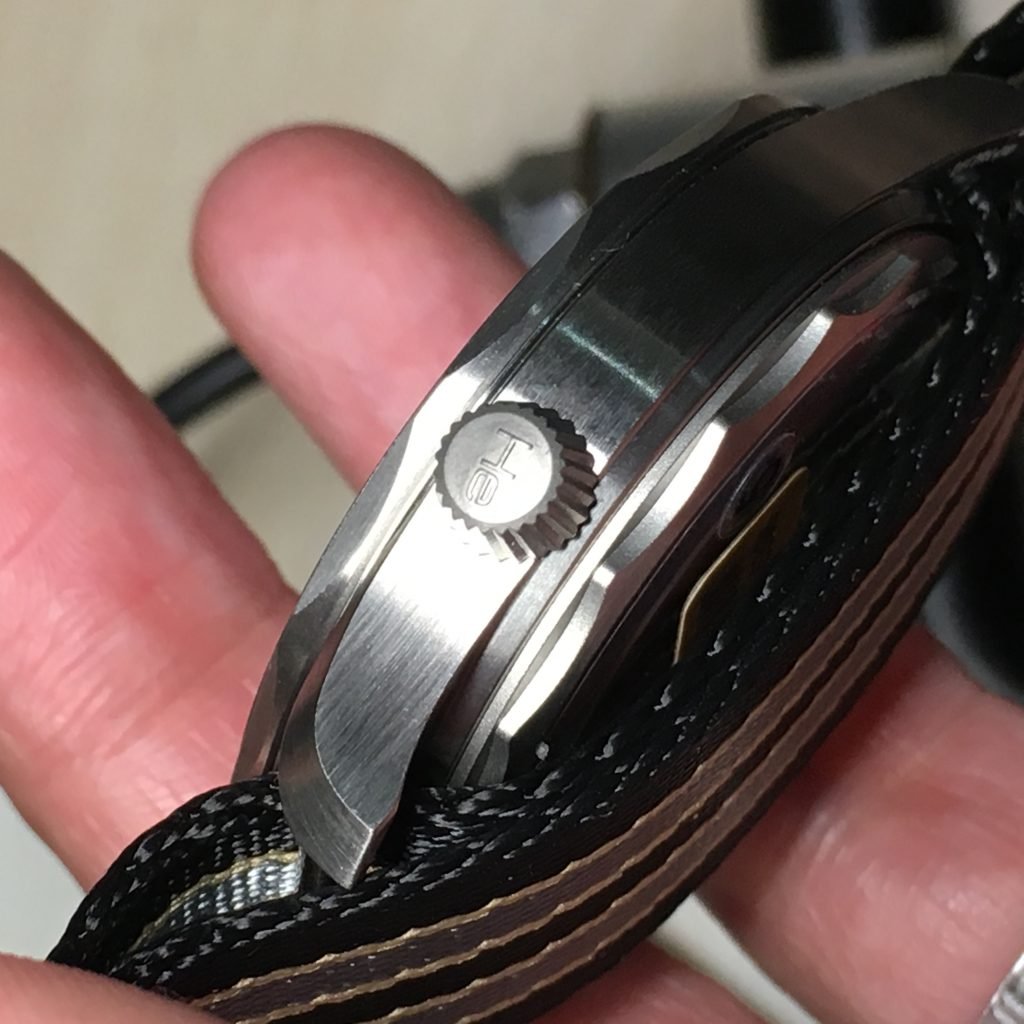
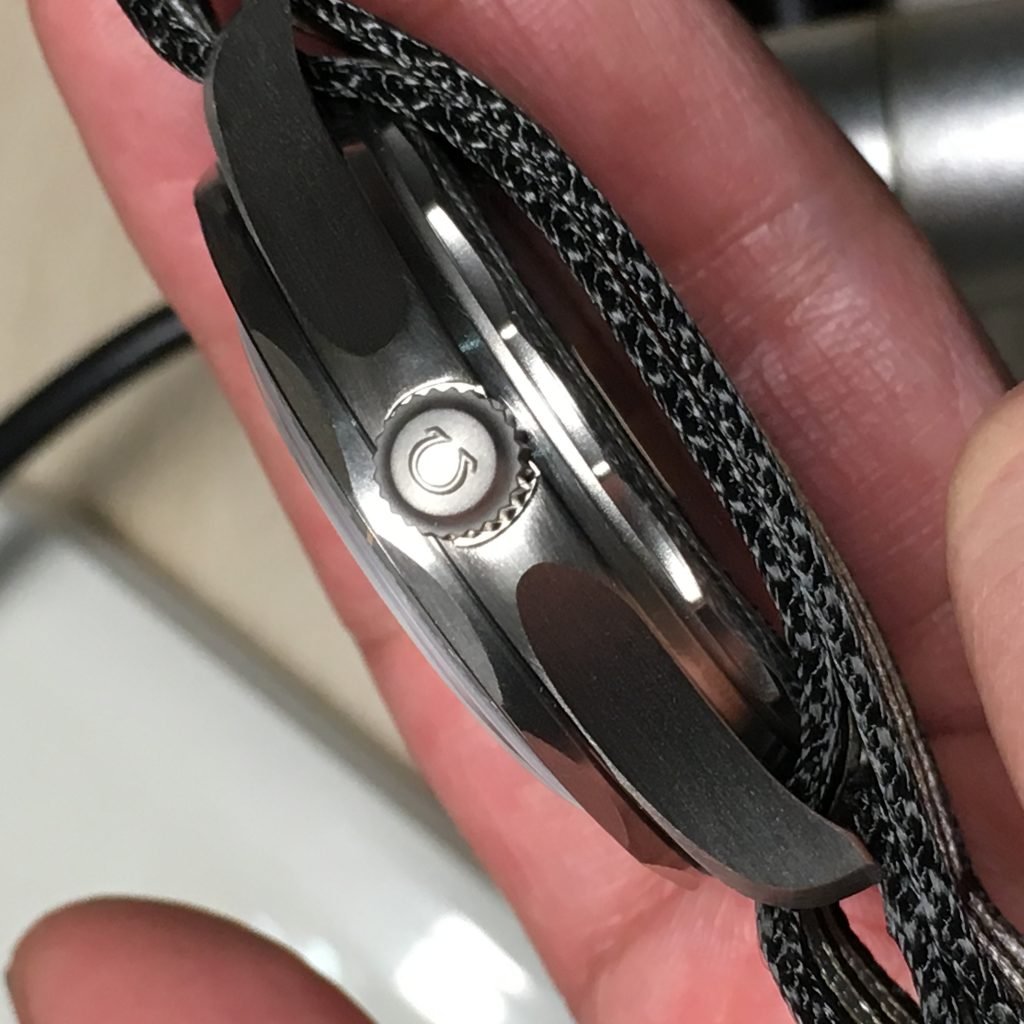
While smaller factories continue using older movement technologies, VS factory’s innovations set the current standard. The article concludes with news of their latest Titanium Seamaster No Time to Die replica update.