
Blog
Precision in Every Tick: The Rise of Clean Factory Watches


Precision in Every Tick: The Rise of Clean Factory Watches
In an era where timekeeping has evolved beyond the simple mechanics of hours and minutes,the world of watchmaking has found itself at a crossroads of tradition and innovation. Enter the clean factory watch—a phenomenon that blends cutting-edge technology with a commitment to sustainability, precision, and aesthetic appeal. As consumers increasingly seek products that align with thier values, these watches have emerged as symbols of a new age in horology, where craftsmanship and environmental consciousness coexist harmoniously. this article delves into the rise of clean factory watches, exploring how they are redefining timekeeping while championing a cleaner, more responsible approach to manufacturing. Join us as we uncover the intricacies of this movement, revealing how each tick embodies not just time, but a broader vision for the future of watchmaking.
Table of Contents
- The Craftsmanship Behind Clean Factory Watches
- Innovative Techniques Driving Precision in Timekeeping
- Sustainable Practices in Watch Production
- Choosing the Right clean Factory Watch for Your Lifestyle
- Q&A
- Final Thoughts
The Craftsmanship Behind Clean Factory Watches
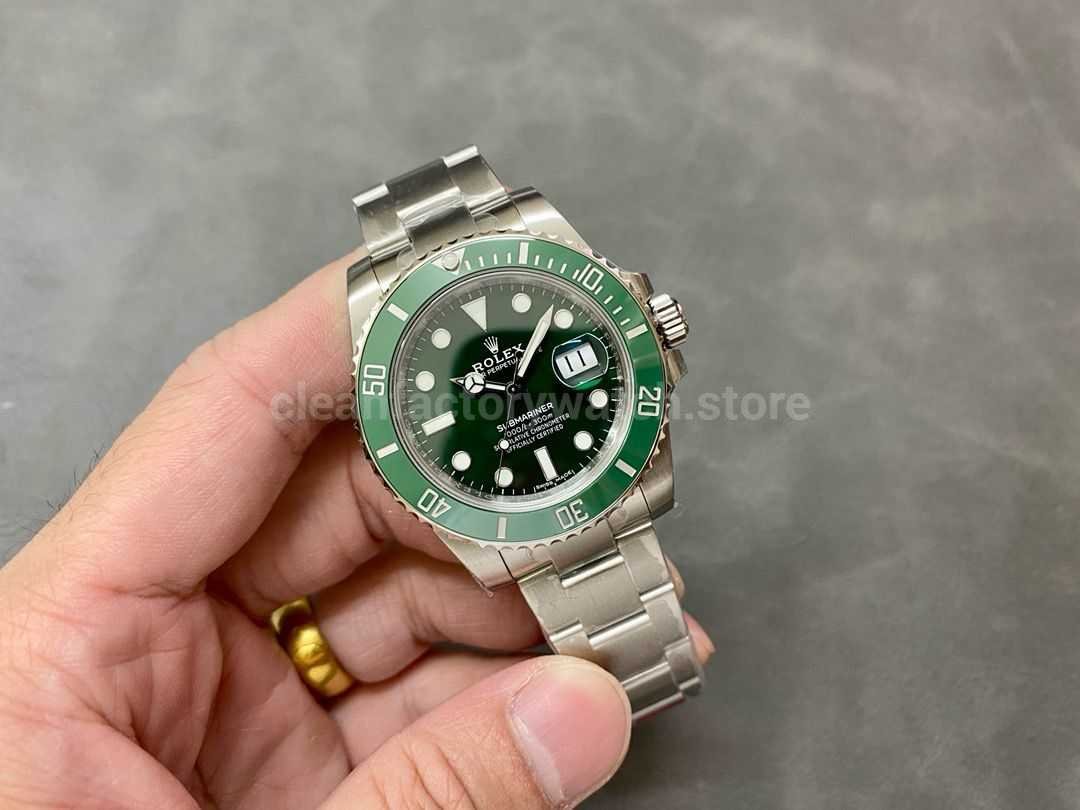
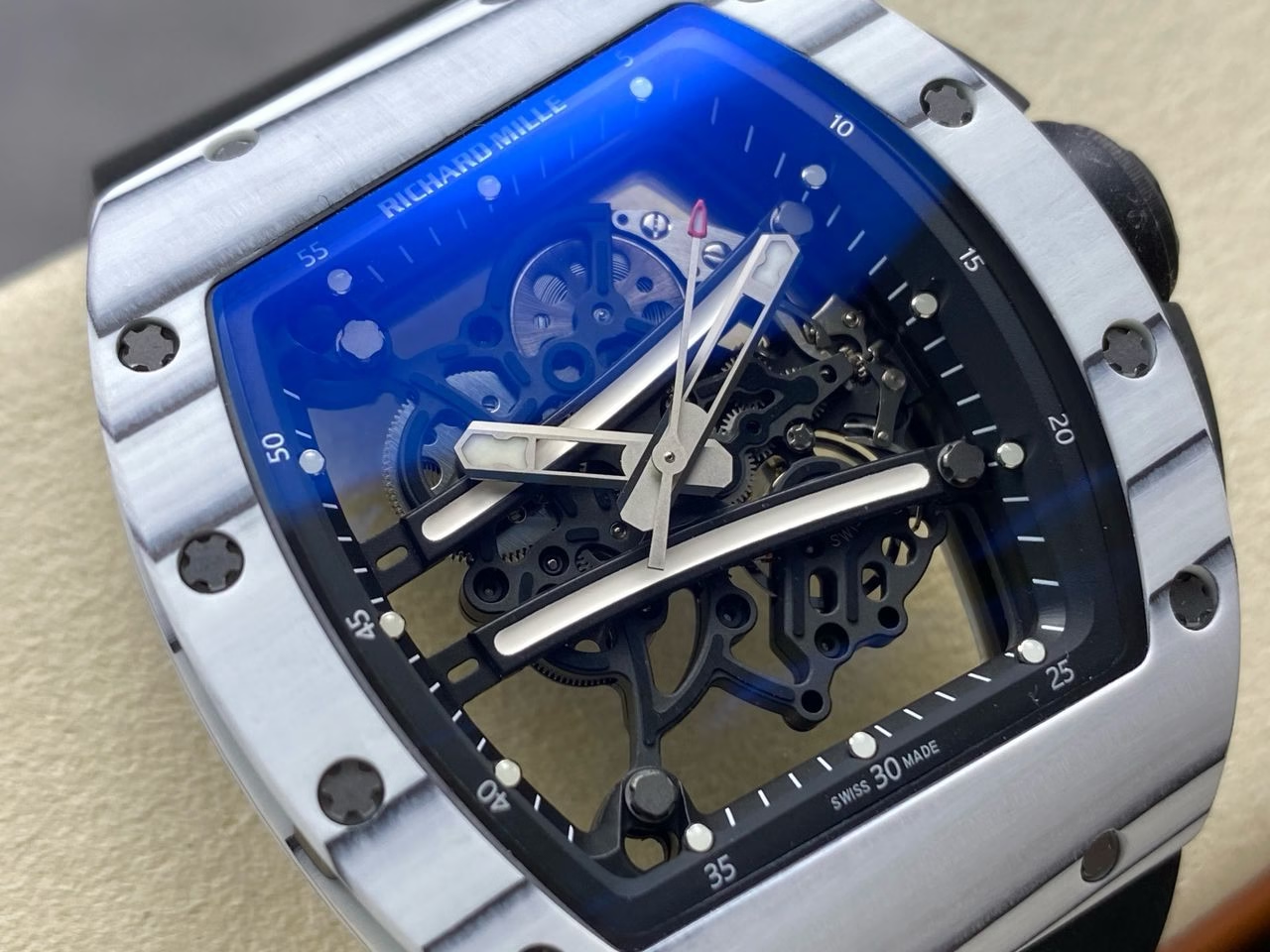
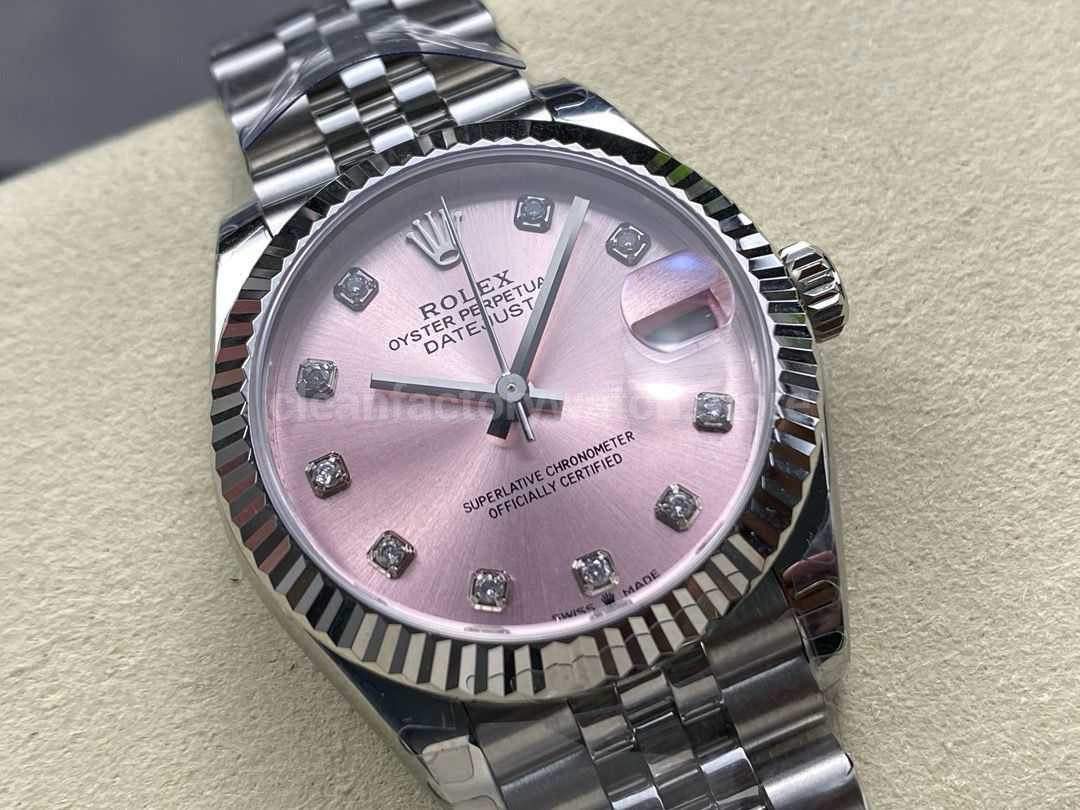
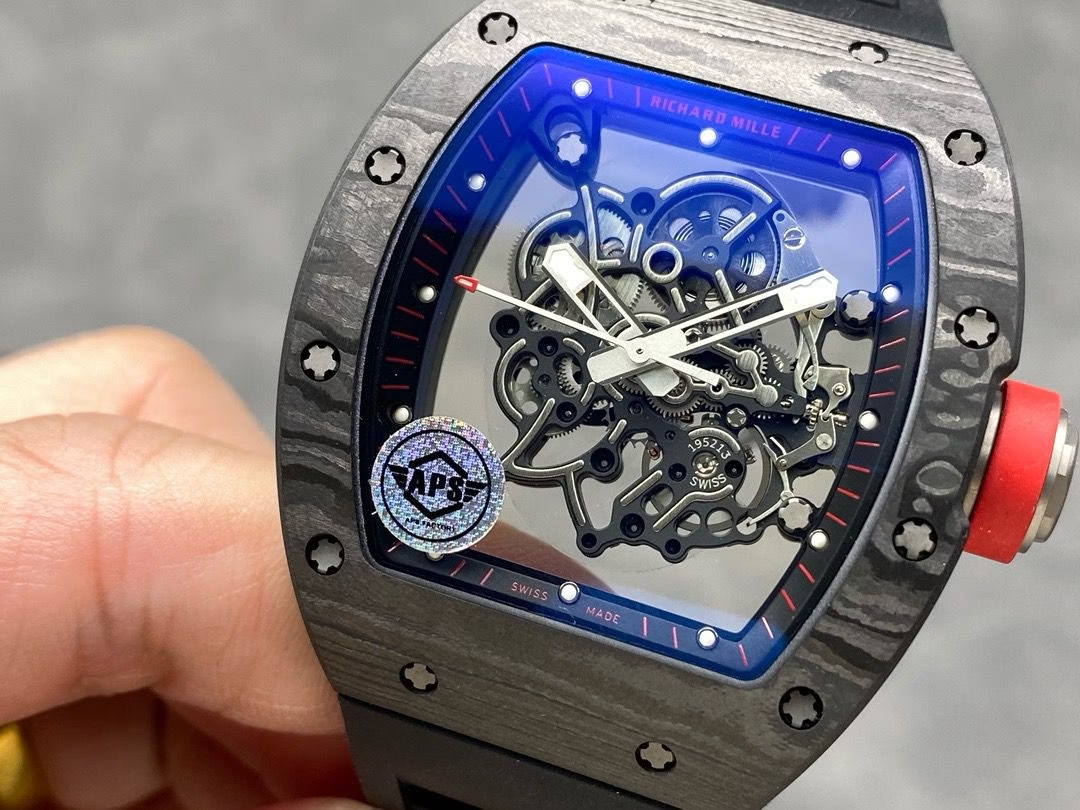
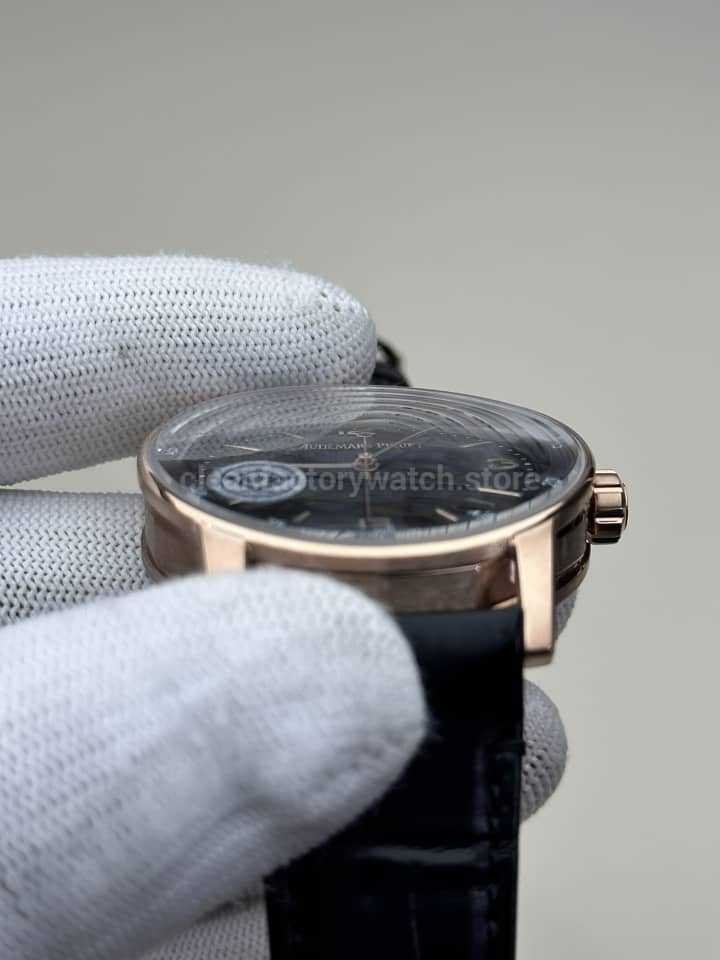
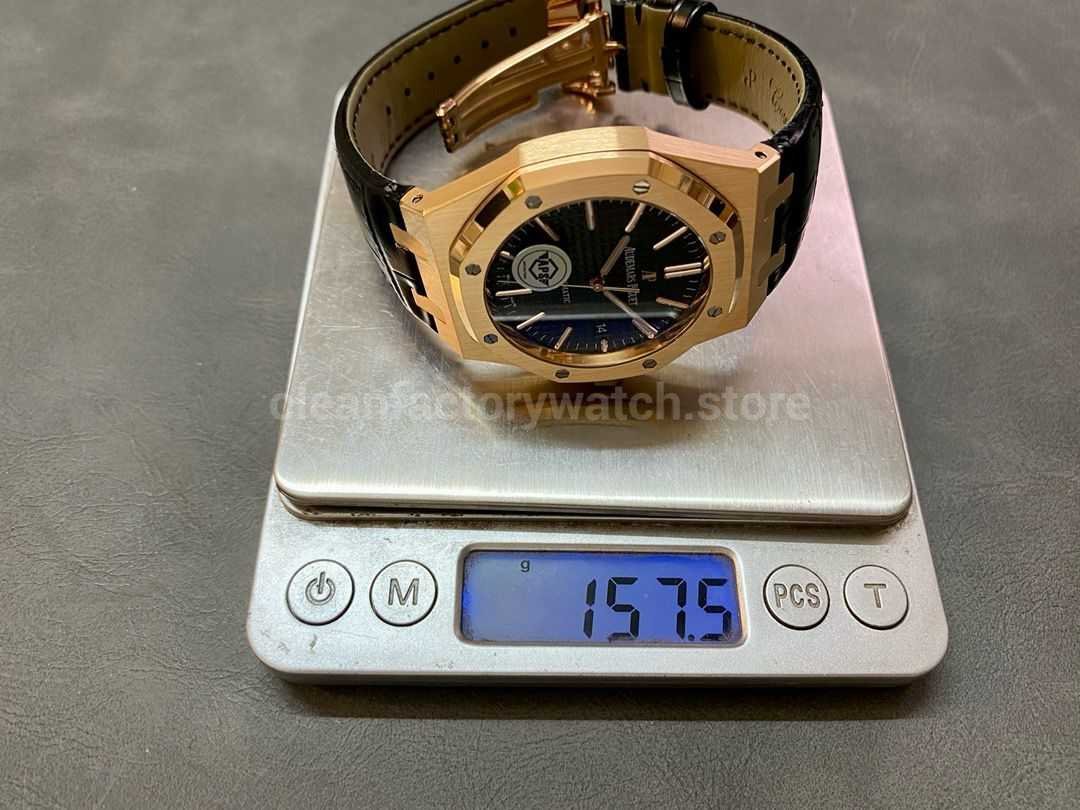
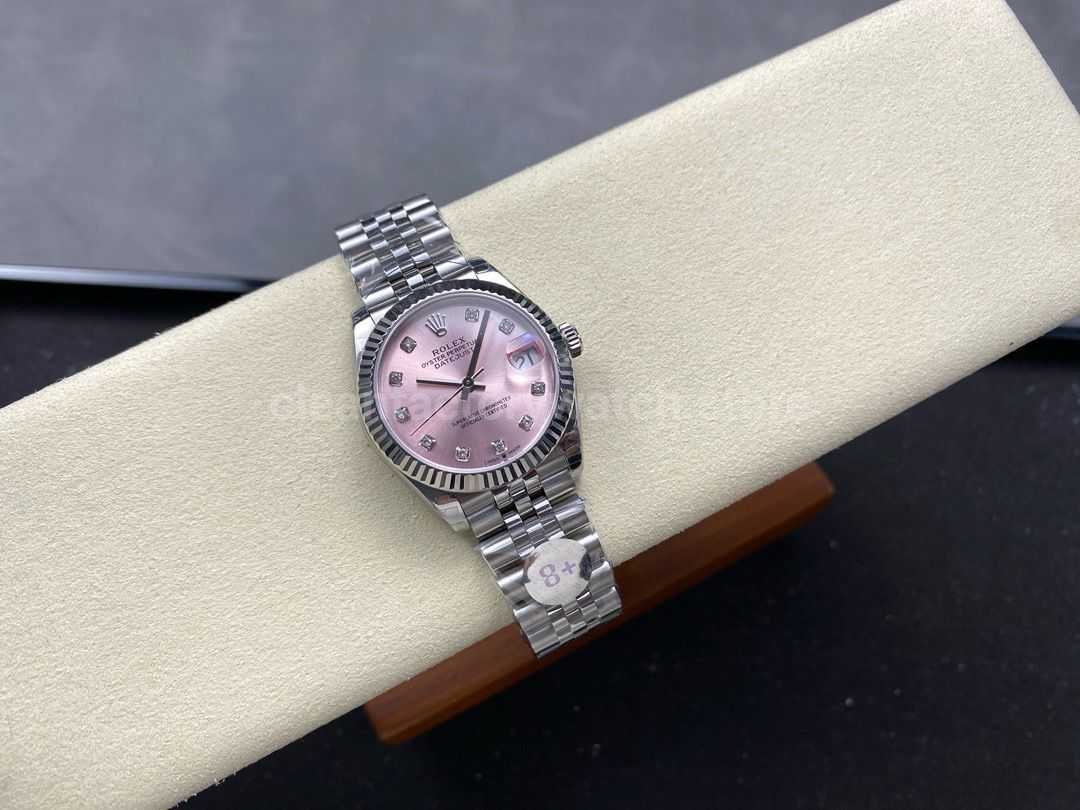
The world of clean factory watches is intricately woven with precision and skill, showcasing a remarkable blend of artistry and technology. Each timepiece reflects the meticulous effort that goes into its creation, as skilled artisans meticulously source high-quality components that mirror the originals in both aesthetics and performance. the attention to detail is evident in every facet of the watch, from the flawless finishing of the case to the expertly designed dial that captivates collectors and enthusiasts alike. These watches frequently enough boast features such as:
- High-grade movement replicas
- Premium materials
- Exceptional craftsmanship
- Aesthetic fidelity to iconic designs
moreover, extends to the rigorous quality control processes employed during production. each piece undergoes a series of tests to ensure reliability and durability, maintaining the standards set by luxury brands. This meticulous approach enables manufacturers to offer a product that not only looks authentic but also performs remarkably well. The following table illustrates some key aspects that differentiate clean factory watches from standard replicas:
| Feature | Clean Factory Watches | Standard Replicas |
|---|---|---|
| Movement Quality | High-grade, clone movement | Basic or low-quality movement |
| Material Used | Premium metals and glass | Inferior materials |
| Finishing | Flawless craftsmanship | Rough finishes |
| Price Point | Competitive, yet premium | Much lower price |
Innovative Techniques Driving Precision in Timekeeping
At the heart of today’s clean factory watches lies a suite of cutting-edge techniques that enhance precision and reliability. Among these advancements, high-frequency oscillators have emerged as a game changer, allowing timepieces to achieve remarkable accuracy. By operating at increased rates, these oscillators reduce the impact of friction and external factors that traditionally affect timekeeping. Furthermore, digital calibration technologies enable manufacturers to fine-tune their movements with unparalleled precision, ensuring that each watch delivers a level of accuracy suited to modern demands. Paired with advanced materials like silicon and carbon composites,these innovations ensure that variations in temperature and magnetic fields have minimal effects on performance.
Additionally, the integration of smart manufacturing processes enhances quality control across the production line. Utilizing techniques such as laser cutting, manufacturers can achieve intricate designs while maintaining strict tolerances that are vital for optimal functionality. Another important advancement is the use of robotic assembly, which minimizes human error and enhances consistency across batches. To better illustrate this evolution, here’s a fast look at some of the prominent techniques influencing current watch precision:
| Technique | Benefits |
|---|---|
| High-Frequency Oscillators | Increased accuracy and reduced drift |
| Digital Calibration | Precision tuning and error correction |
| Laser Cutting | intricate designs with tight tolerances |
| Robotic Assembly | Consistency and minimized human error |
Sustainable Practices in watch production
The evolution of watch manufacturing is closely tied to the growing awareness of environmental sustainability.Many brands have begun to implement practices that minimize their carbon footprints while maintaining the artistry and precision that define quality timepieces. By adopting renewable energy sources, such as solar or wind power, watch production facilities are reducing their reliance on fossil fuels. Additionally, innovative recycling techniques are incorporated to transform waste materials into new components, thus conserving natural resources.A focus on sustainable materials, such as bioplastics and ethically sourced metals, ensures that the production process respects both the environment and social equity.
Beyond materials and energy, the design philosophy of these clean factory watches emphasizes longevity and reparability. This approach not only promotes a circular economy but also cultivates a deeper connection between the consumer and their watches. By allowing users to easily repair and modify their timepieces, brands encourage responsible ownership and help reduce waste. The benefits of these sustainable practices are evident in their growing popularity among watch enthusiasts who value both craftsmanship and environmental obligation. Below is a comparison table highlighting key aspects of traditional vs.sustainable watch production:
| Aspect | Traditional Production | Sustainable Production |
|---|---|---|
| Energy Source | Fossil Fuels | Renewable Energy |
| Material Usage | Conventional Metals & Plastics | Recycled & Eco-pleasant Materials |
| Waste Management | Limited Recycling | High Recycling Standards |
| Design Philosophy | Disposable Trends | Longevity & Repairability |
Choosing the Right Clean Factory Watch for your Lifestyle
When it comes to selecting a clean factory watch that aligns with your daily activities, it’s essential to consider both functionality and aesthetic appeal. A watch can enhance an outfit while serving practical purposes—from keeping you punctual to making a statement about your style. Whether you prefer a minimalist design or a bold face, think about your specific needs. Such as, if you lead an active lifestyle, you may want a durable watch made of scratch-resistant materials and water resistance features. On the other hand, if you often attend formal events, a sleek, understated model with elegant detailing will help you make a lasting impression.
To simplify your decision-making process, here are key factors to evaluate:
- Style: Consider whether you want a classic, contemporary, or sporty look.
- Functionality: Do you need features like chronographs, date displays, or health tracking?
- Comfort: Ensure the material and weight of the watch suit your lifestyle; some may prefer leather straps over metal.
- Brand Reputation: Research reputable brands known for quality and craftsmanship.
- Price Range: Set a budget that reflects your needs without overspending.
To further assist you,here’s a simple comparison table of popular clean factory watch brands that exemplify diverse options:
| Brand | Style | Price Range | Key Features |
|---|---|---|---|
| Brand A | Classic | $200 – $500 | Sapphire Crystal,Water-Resistant |
| Brand B | Sporty | $150 – $400 | GPS,Fitness Tracking |
| Brand C | Minimalist | $100 – $300 | Interchangeable Straps,Lightweight |
Q&A
Q&A: Precision in Every Tick – The Rise of Clean Factory Watches
Q1: What are clean factory watches?
A1: clean factory watches refer to timepieces manufactured in factories that emphasize ethical production practices,transparency,and sustainability. Unlike counterfeit or replica watches, these pieces are produced with a commitment to quality, employing skilled artisans and meticulous craftsmanship, ensuring that every tick is not just precise, but also reflects integrity.
Q2: Why has the interest in clean factory watches surged in recent years?
A2: The rise in interest can be attributed to a growing consumer awareness around sustainability and ethical consumption. As more individuals seek to support brands that align with their values, clean factory watches present a compelling alternative to mass-produced luxury items. This trend reflects a broader shift toward conscious consumerism, where buyers prioritize not just the product, but also the impact of their purchases.
Q3: How does the craftsmanship of clean factory watches differ from traditional luxury watches?
A3: While traditional luxury watches may focus on exclusivity and heritage, clean factory watches blend modern techniques with artisanal craftsmanship. These watches often employ innovative materials and time-efficient production technologies without sacrificing quality. Moreover, they may offer a more obvious look into the manufacturing process, allowing consumers to appreciate the skill and thought that goes into each piece.
Q4: Can clean factory watches compete with the prestige of established luxury brands?
A4: Absolutely! Clean factory watches are carving out their niche in the luxury market by offering unique designs and superior craftsmanship while maintaining ethical standards. As consumer preferences shift towards value-driven purchases,these watches are gaining recognition not just as fashionable accessories but as statements of social responsibility,often appealing to a new generation of watch enthusiasts.
Q5: What features should consumers look for when choosing a clean factory watch?
A5: When selecting a clean factory watch, consumers should consider the materials used, the brand’s ethical practices, and the watch’s design. Look for certifications that demonstrate sustainable sourcing and labor practices. Additionally, consider the movement and durability of the watch, and also any warranty or service options that speak to the brand’s commitment to quality over mass production.
Q6: Are clean factory watches affordable,or do they typically carry a luxury price tag?
A6: Clean factory watches can vary in price,making them accessible to a wider range of consumers than traditional luxury timepieces. While some brands position themselves at a premium price point due to their quality and craftsmanship,many offer beautifully designed and ethically produced watches at more moderate prices. this affordability without compromising ethics is one of the key attractions of clean factory watches.
Q7: How do clean factory watches fit into the future of the watchmaking industry?
A7: As the watchmaking industry evolves, clean factory watches are likely to play an increasing role, setting new standards for quality and ethics. They represent a shift toward more responsible luxury, encouraging established brands to reevaluate their practices. With technological advancements and a focus on transparency becoming integral, clean factory watches are not just a trend—they’re paving the way for a more sustainable future in horology.
Final Thoughts
As we conclude our exploration of the fascinating rise of clean factory watches, it’s clear that precision has become more than just a feature; it has evolved into a philosophy. With the marriage of technology, sustainability, and meticulous craftsmanship, these timepieces are not merely instruments for telling time, but symbols of a new era in horology. Manufacturers dedicated to clean production methods are setting new standards that transcend traditional watchmaking, marrying artistry with environmental consciousness.
In a world that celebrates speed and immediacy,clean factory watches remind us of the value of patience and precision—of taking the time to create something that lasts.Each tick is a testament to a commitment to quality, a nod to the meticulous artisans behind the craft, and a promise to the planet that we can enjoy luxury without leaving a heavy footprint. As we glance at our wrists, we are reminded that time is not just a measure, but a reflection of choices we make every day—choices that honor both heritage and innovation. The journey of clean factory watches is just begining, and it invites us all to embrace a future where each tick is truly a step toward a more responsible and elegant tomorrow.