

Blog
Is “1:1” Just a Marketing Term?

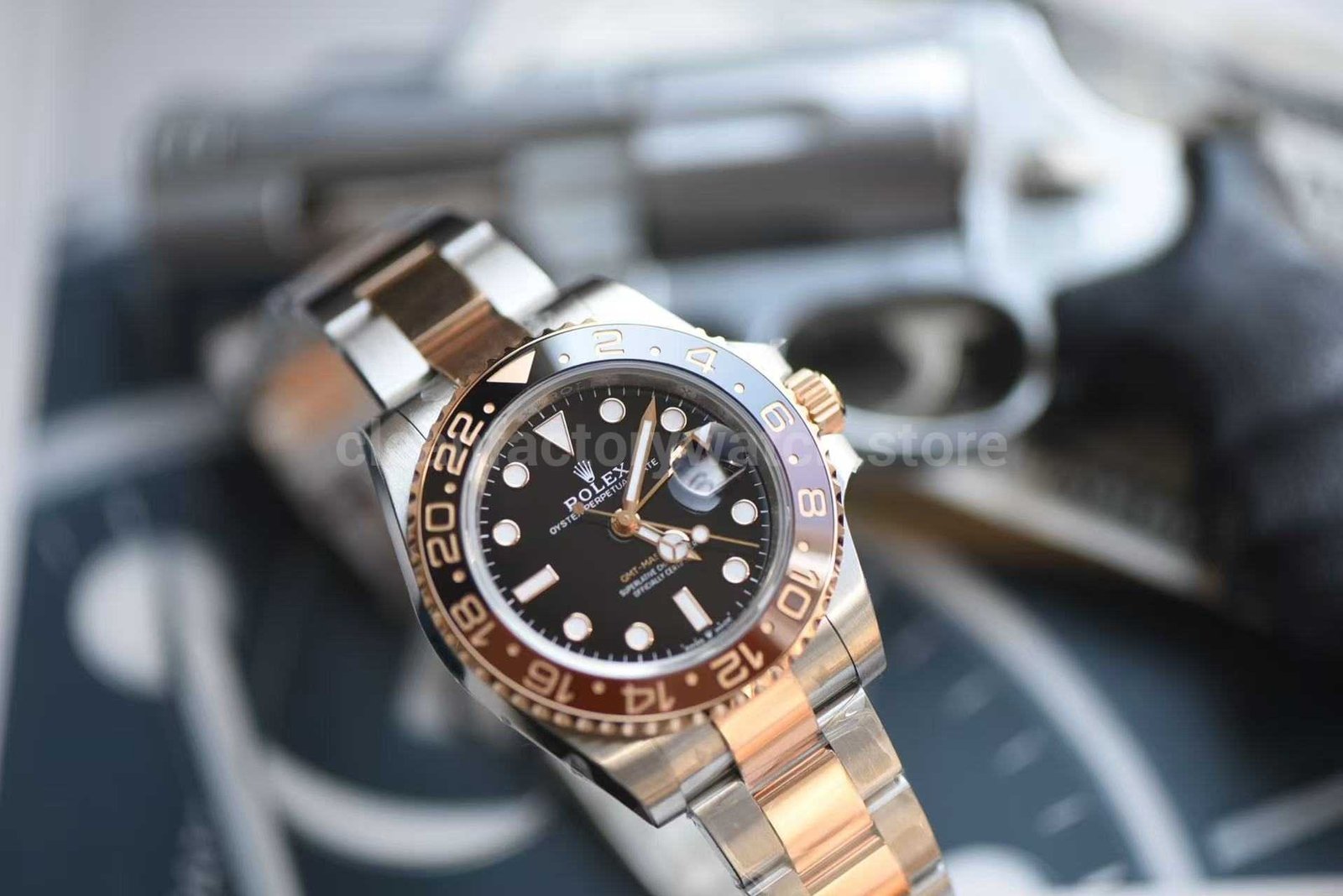
In today’s replica watch market, understanding the real meaning of 1:1 watch quality is essential before making a purchase decision.
The Real Quality Tiers & Pricing Truth Behind the Replica Watch Market
In the replica watch market, the term “1:1” has become a default label.
No matter the model, no matter the price, no matter the version — almost everything is called 1:1.
But if everything is 1:1, why can prices differ by hundreds of dollars?
The answer is simple:
Because “1:1” has never been a unified standard.
1. There Is No Official Definition of “1:1”
Many consumers believe that 1:1 means:
- Identical dimensions
- Fully synchronized functions
- Identical movement structure
- Correct weight balance
- 100% visual accuracy
But in market language, “1:1” usually just means “visually similar.”
To truly achieve:
- Accurate structural proportions
- Correct integrated movement architecture
- Balanced weight distribution
- High-level finishing precision
- Long-term wearing stability
That already belongs to high-tier versions. Not standard market versions.
In other words:
“1:1” is a marketing expression — not a technical grade.
2. Why Can the Same Model Have 20 Different Versions?
This is the core truth many buyers don’t realize.
One popular model may exist in:
- Entry-level versions
- Mid-tier versions
- Modified editions
- Upgraded editions
- Weighted versions
- Integrated movement versions
- Custom builds
Prices can range from 200 to 800 or more.
Externally, the photos may look almost identical. Internally, however, the movement grade, steel quality, weight structure, and finishing standards can be completely different.
What truly determines price is not appearance.
It is internal structure and manufacturing cost.
3. What Usually Happens When the Price Is Below Market Range?
Let’s assume a model normally sells around 500. If someone offers it for 300–350, you must ask:
Where does the difference come from?
The cost of a watch must cover:
- Factory production cost
- Factory profit
- Seller profit
- QC labor
- After-sales risk
- Payment processing fees
- International shipping (far higher than the $40–60 buyers pay)
When the price is significantly below market range, usually one of the following occurs:
- Lower-grade steel is used
- A standard movement replaces a high-end movement
- Plating thickness is reduced or weight structure removed
- QC processes are minimized
- A lower-tier version is sold as a premium version
The last situation is not uncommon. When prices are pushed too low, sellers cannot operate at a long-term loss. The only solution is to change the version source.
For example:
- Selling a standard version as a premium version
- Selling a non-integrated movement as an integrated one
- Selling a non-weighted model as a weighted edition
Because photos look similar, most consumers cannot detect the difference.
4. Why Relying Only on Posts and Photos Is Dangerous
Many people judge quality based on comparison photos, promotional posts, or packaging.
But in reality:
- Photos can be edited.
- Posts can be copied.
- Packaging can be added later.
What cannot be faked is:
- Cost logic
- Price range consistency
- Version transparency
- Detailed movement information
Price does not lie. Cost determines quality.
5. The Real Perspectives of the Three Parties
Factory
- Goal: Control cost and increase output
- Focus: Production efficiency
Seller
- Goal: Stable profit
- Risk: After-sales, returns, customs
Customer
- Goal: Good value
- Problem: Information asymmetry
The rational buying order should be:
- Confirm seller stability
- Evaluate whether the price is reasonable
- Verify movement and version details
Not blindly chasing the lowest price.
6. Conclusion: The Market Is Not Charity
Low price does not automatically mean fake. But abnormally low prices always have a reason.
“1:1” is not protection. Factory grade is what truly matters.
Real quality requires real cost. Long-term stability is more important than short-term savings.
Frequently Asked Questions
- Q1: Is 1:1 an official quality standard?
A: No. There is no official industry definition of 1:1. It is a marketing term commonly used to describe similar appearance. - Q2: Why can the same replica watch model have very different prices?
A: Because different factory versions exist, with varying movement grades, steel quality, weight structure, and finishing standards. - Q3: Does lower price always mean lower quality?
A: Not always, but significantly below-market prices usually indicate cost reductions in materials, movement, or QC processes. - Q4: Can sellers replace factory versions without buyers knowing? A: Yes. Since many versions look visually similar, some sellers may substitute lower-tier versions when offering unusually low prices.
- Q5: How can I verify the real version of a watch?
A: Check for detailed movement specifications, weight disclosure, consistent factory labeling, and seller transparency. - Q6: What is more important than the term 1:1?
A: Factory grade, movement accuracy, weight balance, finishing quality, and long-term reliability are far more important than marketing terminology.