

Blog
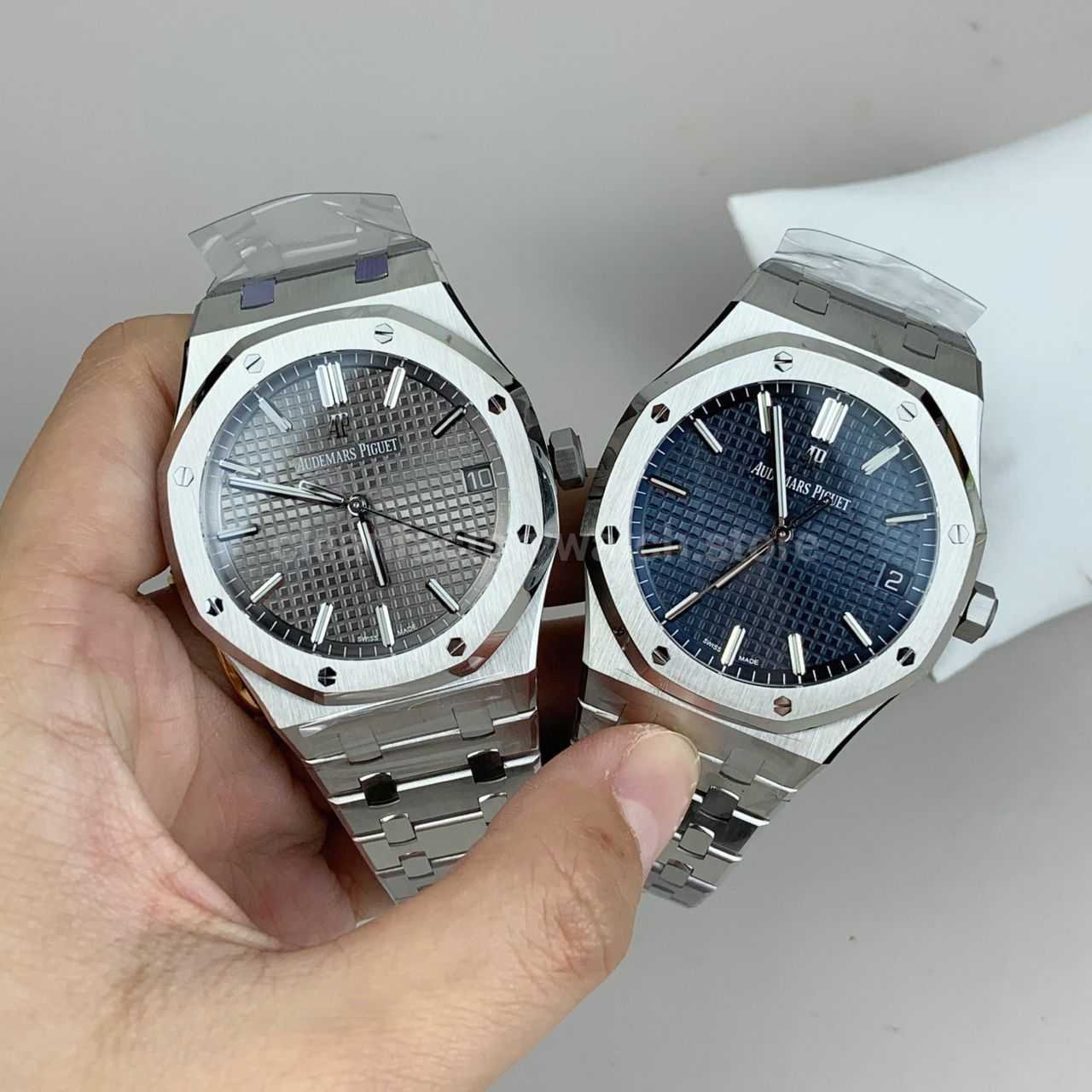
APS vs ZF AP 15500 Which Replica Is Better

APS vs ZF AP 15500 Which Replica Is Better
The AP 15500 is one of the few replica watches where small differences make a bigger impact than many buyers expect. At a glance, both APS and ZF versions can look strong in photos. Both factories understand that the Royal Oak design depends on sharp lines, integrated bracelet flow, a textured dial, and a case profile that cannot feel careless. But once the watch is examined more closely, and especially once it is worn, the comparison becomes more interesting. The difference is rarely about one factory being universally better in every area. The real question is which version feels more complete for the kind of buyer looking at the 15500 in the first place.
That is why APS vs ZF AP 15500 is still one of the most useful factory comparisons in 2026. This is not just a debate about names. It is a comparison between two different strengths inside one of the most detail-sensitive models in the AP replica market. The 15500 demands balance. If the bezel finishing is off, the watch suffers. If the bracelet sits too stiffly, the watch suffers. If the dial texture lacks depth, the watch suffers. If the case profile feels too thick or too blunt, the watch suffers. A serious comparison has to look at the entire watch, not just one headline claim.
Why the AP 15500 Is Such an Important Factory Comparison
The 15500 sits in a very strong position in the AP Royal Oak lineup because it combines modern presence with a relatively clean layout. It is neither as restrained as the thinner 16202 nor as mechanically demanding as the 26240 chronograph. That makes it a natural reference for buyers who want a modern Royal Oak look without moving into a more specialized direction.
At the same time, that balance makes it unforgiving. The 15500 has enough dial space, enough visible case area, and enough bracelet presence that mistakes show up quickly. The watch has to feel clean, angular, and composed. It also has to wear properly. A version that looks decent in static photos can still disappoint once the bracelet articulation, side profile, and dial behavior under real light come into play.
That is why APS and ZF are compared so often here. The 15500 is one of the clearest references for showing how different factory priorities affect the final result. Buyers who are not sure what matters to them often learn more from this comparison than from reading generic factory descriptions alone.
Where APS AP 15500 Usually Feels Stronger
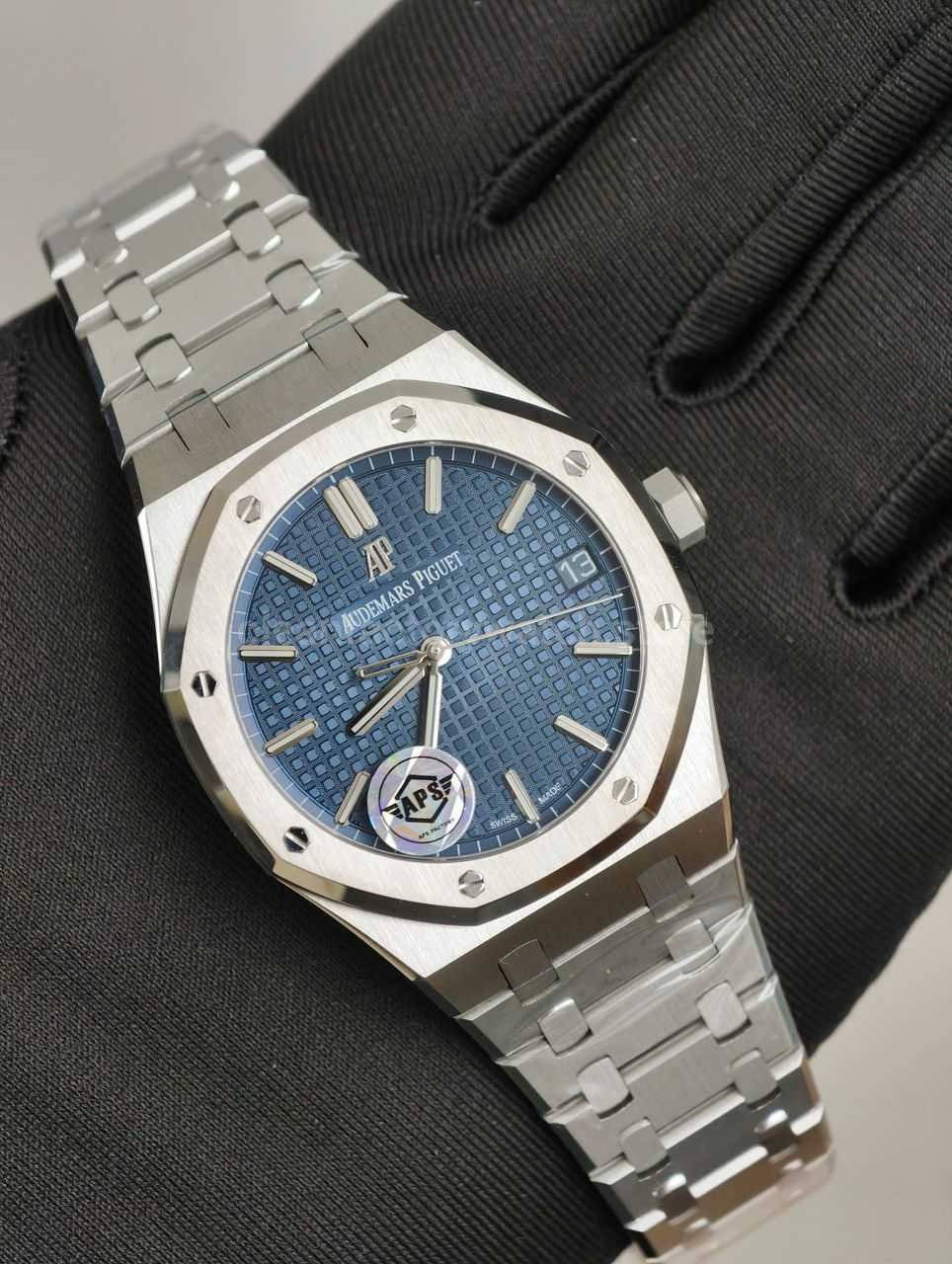
APS tends to attract buyers who care about the full-watch picture, especially when movement-related logic, overall profile balance, and the complete wearing experience are part of the decision. On the 15500, that often means APS is discussed more seriously by buyers who don’t want to judge the watch only from the dial side.
One of the reasons APS remains relevant in this model is that it is often associated with a more integrated approach to the watch as a whole. Buyers looking closely at case profile, back presentation, and overall coherence may feel APS makes more sense when those details matter more than first-impression sharpness alone. The appeal is not always dramatic in photos, but it can become more convincing when the buyer is looking at how the watch works as a complete object.
APS also tends to make sense for buyers who care about the logic of the model rather than just the marketing of the model. In the AP category, that matters. The 15500 is not a watch that should rely only on visual punch. It should feel structured, intentional, and proportionally believable. APS stays in this conversation because many buyers think in those terms.
 Where ZF AP 15500 Usually Feels Stronger
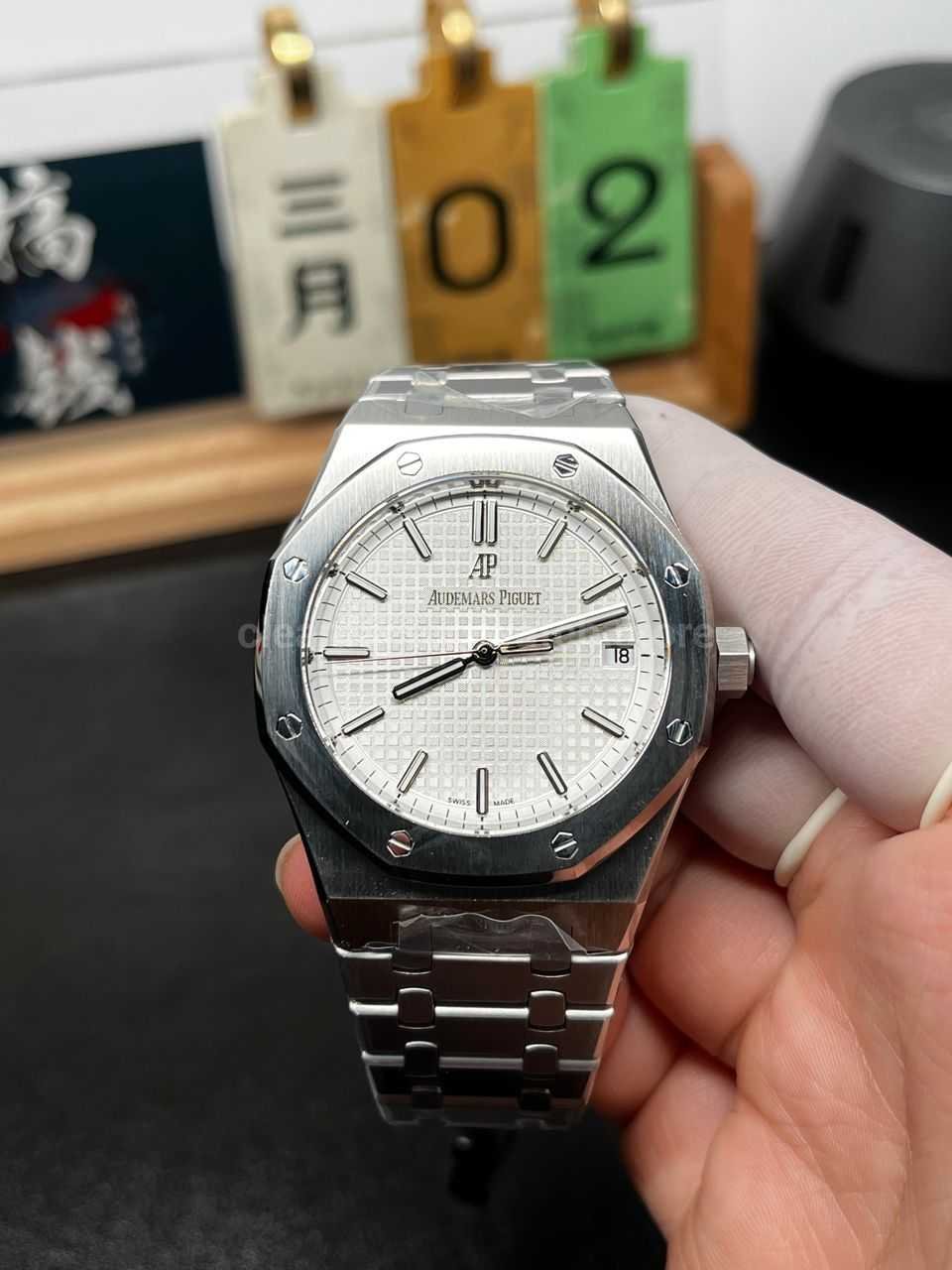
ZF tends to attract buyers who judge the watch very heavily on visible execution. In the 15500 segment, that can be a major advantage because so much of the Royal Oak experience comes from what the wearer sees and feels externally every day. Bracelet flow, bezel definition, brushing quality, and dial presentation all play a large role here.
For many buyers, ZF feels strong because it often delivers a sharper first impression. The watch can come across as visually crisp, and that matters in a model where geometry is everything. The 15500 is not supposed to feel soft or vague. It should feel structured and deliberate, and ZF often remains competitive because it understands that external language well.
ZF also appeals to buyers who want a Royal Oak that looks convincing in normal daily wear without needing too much explanation. A lot of owners judge a watch more by how it sits on the wrist, how the dial catches light, and how the case-bracelet combination looks at a glance than by deeper movement-related discussion. For those buyers, ZF can often feel like the more direct answer.
Dial, Case, and Bracelet – The Real Difference in Daily Wear
The biggest differences between APS and ZF on the AP 15500 usually become clearer after the watch leaves the product-photo stage. This is why the debate continues. It is not only about specifications. It is about how the watch feels when actually worn.
In terms of dial impression, some buyers may prefer whichever version delivers stronger depth, cleaner light response, and a more convincing overall texture for the specific dial color being considered. AP dials are easy to get almost right, but the last part of that realism is harder. A dial can look good in close-up marketing images and still feel too flat indoors. This is one area where batch and color choice can matter just as much as factory identity.
Case and bezel finishing are equally important. The Royal Oak needs sharpness without harshness. The better version is not simply the one with the brighter brushing or the more aggressive edges. It is the one that keeps the watch feeling controlled. Buyers who want a more visually assertive Royal Oak may lean one way. Buyers who care more about complete harmony may lean another.
The bracelet may be the final deciding factor for some buyers. A Royal Oak bracelet must feel integrated in a way that is different from an Oyster or Jubilee bracelet on a Rolex. If it feels too stiff, the watch loses elegance. If it feels too loose without structure, the watch loses definition. In daily wear, this often matters more than buyers expect when first comparing factory names online.
 APS vs ZF AP 15500 – Which One Is Better for Different Buyers
There is no honest way to answer this comparison with one blanket statement for everyone. The better version depends on what the buyer actually values.
For buyers who care more about visible finishing, first-impression sharpness, and the external character of the Royal Oak, ZF often feels like the safer direction. It tends to make more immediate sense for people who want the 15500 to deliver the strong visual identity that draws them to AP in the first place.
For buyers who care more about full-watch logic, profile balance, and how the watch comes together as a more coherent package, APS can feel like the more interesting choice. This does not mean it automatically wins every category. It means it may align better with buyers who are looking at the 15500 more critically as an overall object rather than just an exterior finish exercise.
The key point is that the APS vs ZF AP 15500 debate exists because both factories remain credible in different ways. If one version were clearly better in every area, the comparison would have disappeared a long time ago. It has not, because the strengths are real on both sides.
Which One Makes More Sense in 2026
In 2026, the smarter choice usually comes down to how the buyer defines value. If the goal is to get a 15500 replica that feels visually strong, recognizable, and satisfying in normal daily wear, ZF remains very hard to ignore. It remains relevant because it continues to deliver what many Royal Oak buyers notice first.
If the goal is to choose a 15500 that feels more complete when judged beyond surface-level appeal, APS may make more sense. It remains worth considering for buyers who care about how the watch wears, how the profile feels, and how the whole package comes together over time.
The best AP 15500 replica is therefore not just a factory name. It is the version that matches the buyer’s priorities honestly. Buyers who know they care most about external sharpness often lean towards ZF. Buyers who know they care more about integrated balance may find APS more convincing. Neither answer is irrational. The better choice is the one that fits the way the watch will actually be worn and judged.
That is the real reason this comparison still matters. APS vs ZF AP 15500 is not about chasing hype. It is about understanding what kind of Royal Oak experience the buyer actually wants.
Frequently Asked Questions
Q1: Is APS or ZF better for AP 15500?
A: There is no universal winner for every buyer. ZF is often favored for strong visible finishing and sharper first impression, while APS may appeal more to buyers who care about full-watch balance and overall coherence.
Q2: Which AP 15500 replica looks better on the wrist?
A: That depends on what the buyer values. ZF often feels stronger for buyers who judge the watch mainly by external crispness, while APS may feel better for those who care about the watch as a complete package.
Q3: Why is the AP 15500 such a common factory comparison?
A: The 15500 sits in a sweet spot of modern Royal Oak demand. It is clean, recognizable, and detail-sensitive enough that factory differences become easier to notice in daily wear.
Q4: Does APS have a better movement approach than ZF on the 15500?
A: Some buyers think APS makes more sense when movement-related logic and overall integration matter more. But the better choice still depends on how much the buyer prioritizes those details over external finishing.
Q5: Is ZF AP 15500 good for daily wear?
A: Yes. ZF remains a popular choice for buyers who want a visually strong Royal Oak experience with convincing case, dial, and bracelet presentation in normal wear.
Q6: Which AP 15500 replica should most buyers choose in 2026?
A: Most buyers should choose based on personal priority. If visible finishing comes first, ZF is often the safer choice. If overall balance and complete-watch feel matter more, APS may be the better fit.